
Ikoyi · 2025 · Residential
Lagoon-front housing estate
- Resistivity lines
- 12
- CPT soundings
- 8
- CPT depth
- 25 m
- Geophysical Survey
- Soil Investigation
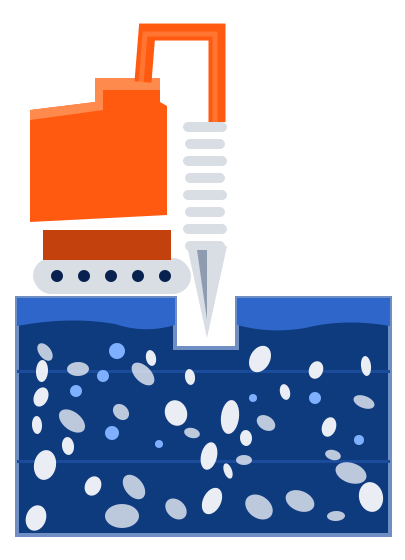
Boreholes, in-situ testing and sampling to find out what is under your site.
Overview
A soil investigation tells your engineer what lies beneath the site: the soil layers, how strong they are, and where the water table sits. In Lagos, where loose sand often overlies soft clay and peat, it is the step that prevents redesigns and settlement later.
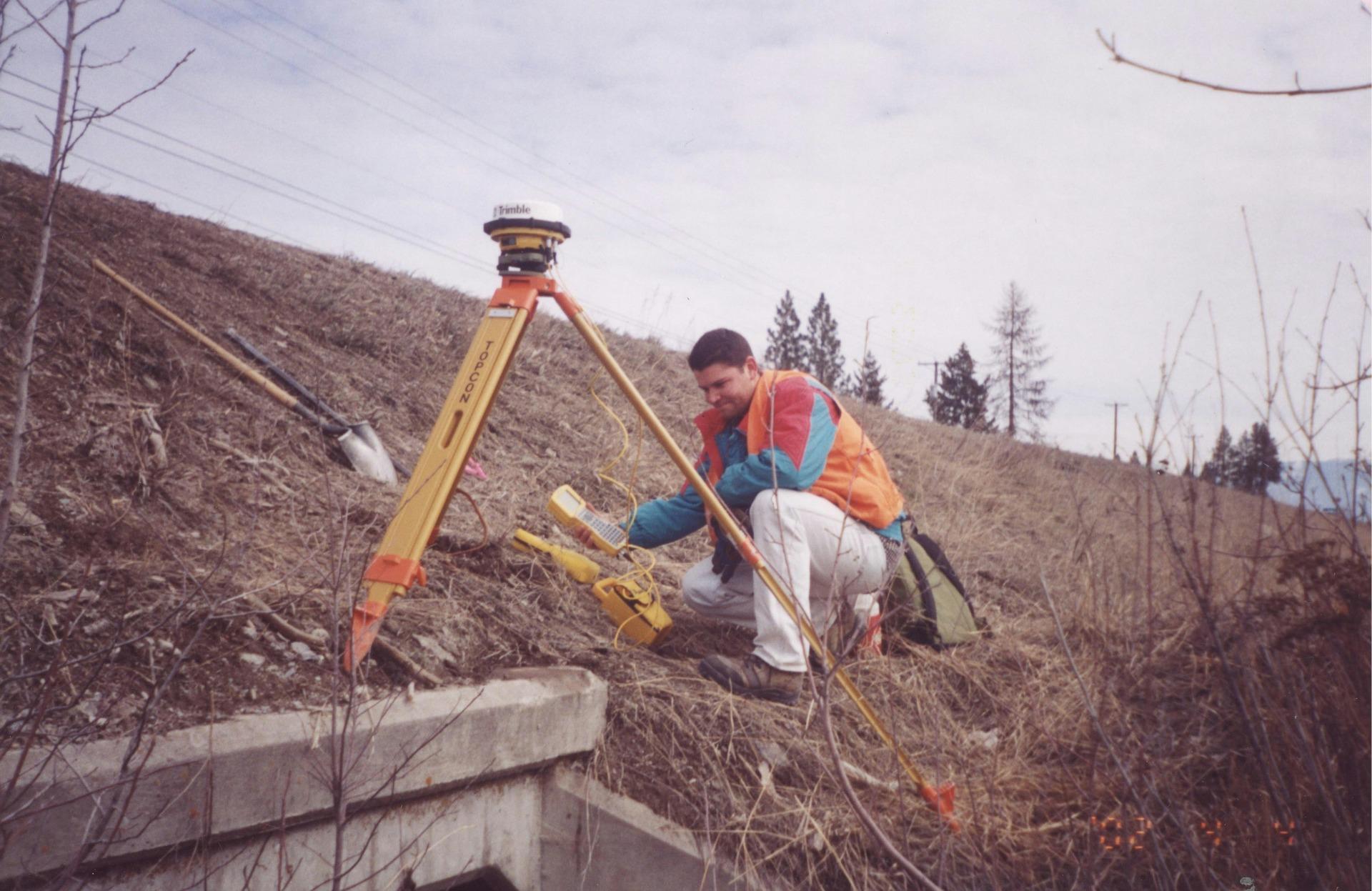
We plan borehole positions and depths around your building's loads, drill and test on site, and bring samples back to our laboratory for classification and strength testing.
Methods
Cable-percussion and rotary rigs advance boreholes through sand, clay and weathered rock.
Blow counts every 1.5 m give a measure of soil density and strength.
Thin-wall and piston samplers recover clay for laboratory strength tests.
Shallow excavations to inspect near-surface soils and existing foundations.
A continuous profile of cone resistance and pore pressure with depth.
Standpipes record water levels for design and dewatering.
Standards
Deliverables
Depth, strata, SPT N-values and groundwater for every borehole.
All field and laboratory results, presented without interpretation.
The ground model and design parameters, interpreted by an engineer.
Foundation options, bearing capacity and pile design input.
Ground conditions in Lagos
Low-lying coastal areas such as Lekki, Victoria Island and Ikoyi are commonly reported to have sand over soft compressible clay and peat with a high water table. That is why boreholes often need to go past 30 m, and why piled foundations are common.
Related projects
Ikoyi · 2025 · Residential
Ibeju-Lekki · 2024 · Industrial
Lekki Phase 1 · 2024 · Residential
FAQ
Can't find your answer? Send us a message and an engineer will reply.
Request a quote
Tell us where the site is and what you plan to build. An engineer will come back with a proposed scope of investigation and a quote.